Production
Build the product your customer agreed to.
Connect the validated construction with bills of materials, cutting dimensions and operations.
Bring factory knowledge into the sale
Bring factory knowledge into the sales conversation. Tomstok checks product choices against your rules and the physical construction, considering materials, profile joints and required components together.
Conflicts become visible before the sale is binding. Your sales team can work towards a solution that fits the buyer’s request and can be manufactured using your product foundation.
Work with parts and operations from the same model
The production basis starts from the construction behind the drawing. Physical parts have an identity, item reference, placement and relevant dimensions. Joints, cuts and operations describe how those parts form the product.
Bills of materials and cutting lists can therefore be derived from a shared foundation. Engineering and production can trace a change from a product choice to the affected part and the work it requires.
Explore the model’s visual foundation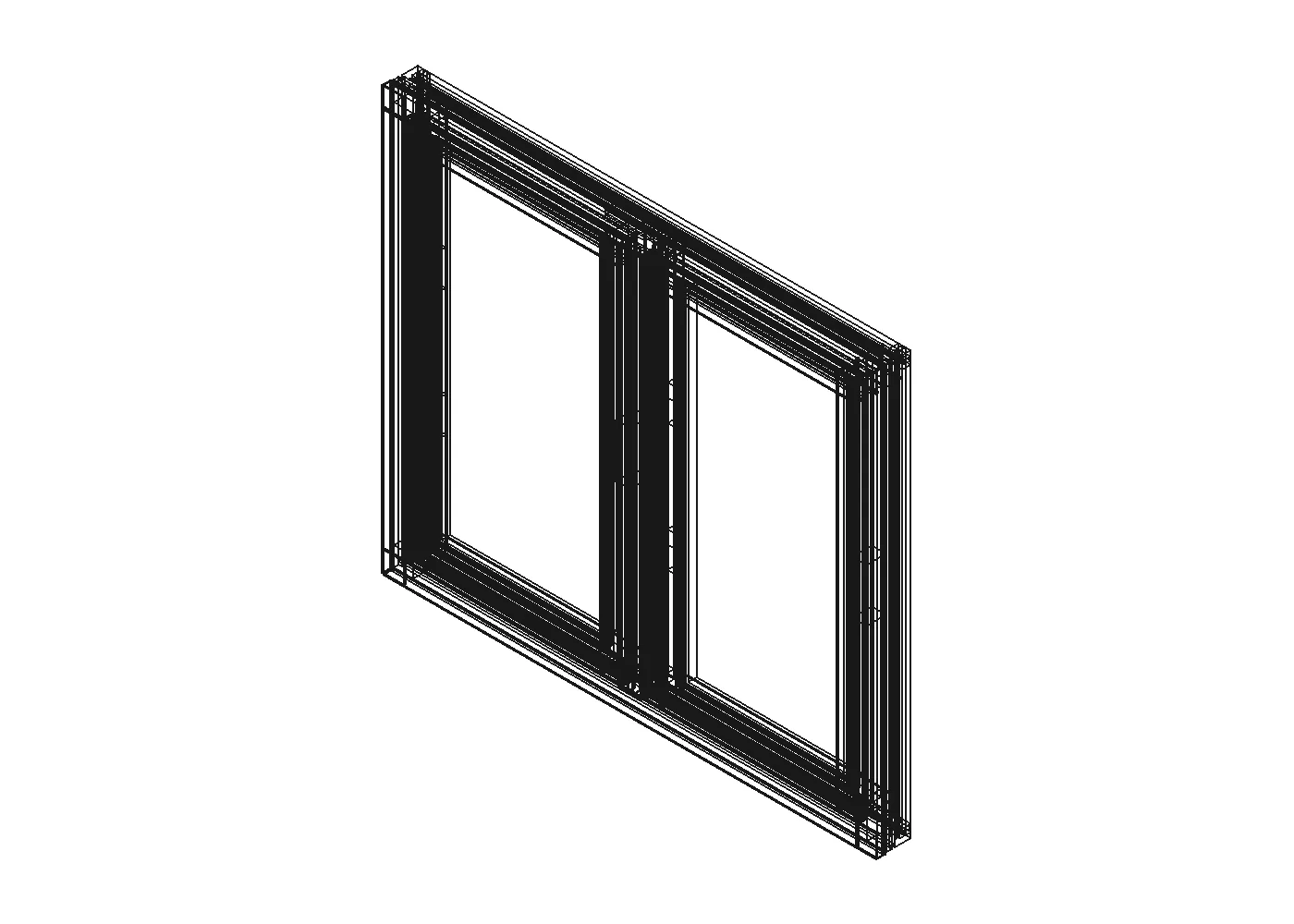
Release a specific revision to production
Production release brings the construction, geometric checks, bill of materials, price and production information together in a specific revision. Production gets a stable basis that can be followed through the work.
Changes after release are handled in a new revision. You can assess the consequences of a component or rule change before it affects work in progress.
- Check
Resolve blockers and changes in the order basis.
- Release
Bind production to specific data and calculation results.
- Track changes
A new basis requires a new, visible decision.
Allocate work to match manufacturing needs
You can split sales orders across production orders and combine work into series across sales. Allocated and remaining quantities make the distribution visible.
Requested, promised and planned delivery dates are kept distinct, giving sales and production a view of both the agreement and the current plan. Work centres, locations and factories use your own data.
Explore production planningCarry the construction towards the machines
The next step towards machines builds on the same geometric product foundation. The aim is machine and CNC data in which each machining operation can be traced back to the released construction.
Connections to your machines are scoped around equipment, formats and the work you want to support. The specific integration is tested for the agreed production scope, allowing evaluation on your own terms.
Explore CNC and machine dataFollow the product after release
MES records status, time, consumption, faults and completion on the factory floor. In actual costing, compare recorded time and consumption with the estimate and use the recorded events to explain variances.
If you already use a production or MES system, we can scope an integration with your existing flow. Choose follow-up around the way your factory operates.
Explore production monitoring with MESFollow units through the factory and beyond
Internal logistics, pallet packing and dispatch connect movement between operations with assembly, packing and the actual shipment.
Production trolleys and buffers belong to the flow inside the factory. Pallets, delivery orders and load plans concern grouping finished contents for delivery.
Explore internal logisticsSee Tomstok with your products in mind.
Talk to us about your product range and production requirements.